AI-Powered Quality Inspection for
CPG & FMCG Manufacturing

product-thum-3
toothbrush visual quality inspection
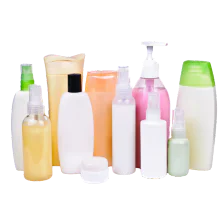
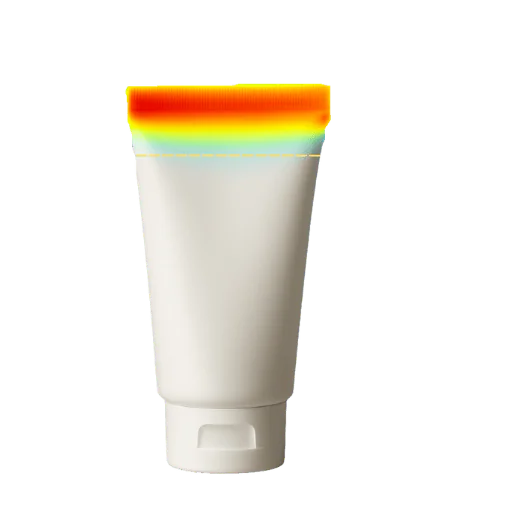
tube visual quality inspection
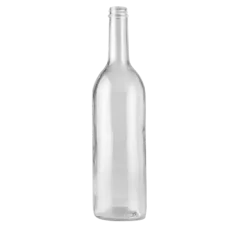
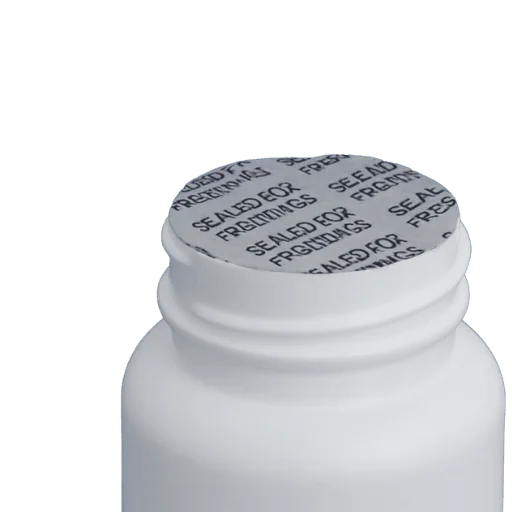
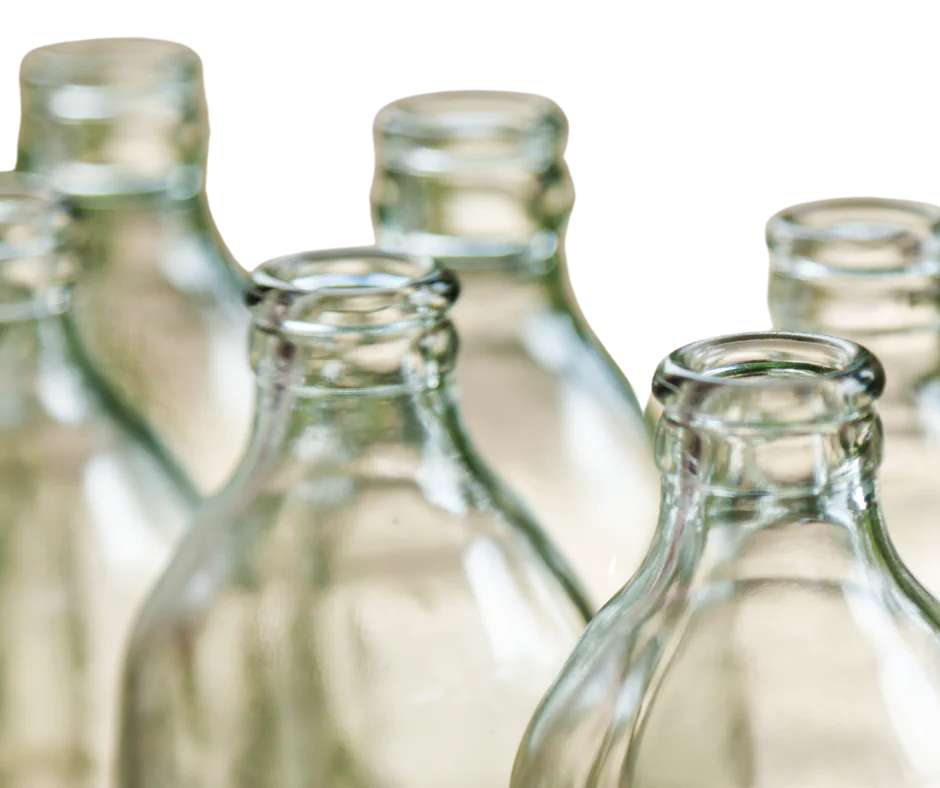
empty bottle visual quality inspection
product-thum-2

Automate visual inspection, detect product and packaging defects, and maintain consistent quality across high-speed CPG production lines with DeepInspect®.

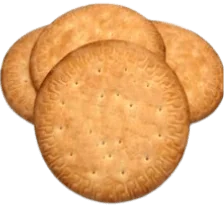
DeepInspect® can be deployed across a wide range of CPG and FMCG production lines, inspecting products, components, closures, packaging, labels, and printed information.

Curious to Know More?

Book a free line trial at your plant

Contact Form


    *By submitting this form, you consent to Abee Research Labs Pvt. Ltd. processing your data to respond to your enquiry and related communication, in accordance with our Privacy Policy.

    What is AI-powered quality inspection in CPG manufacturing?

    AI-powered quality inspection uses industrial cameras and deep learning models to check every unit on a running line instead of pulling samples at intervals. The model learns what an acceptable product looks like from images of good output, then flags anything that deviates, in real time, at line speed. This matters more in FMCG/CPG than in most sectors because volumes are enormous, margins per unit are thin, and a single mislabelled or underfilled batch can trigger a recall that costs far more than the production run itself. Traditional rule-based machine vision struggles here since CPG products carry natural variation in colour, texture, fill level, and print position that a fixed rule reads as a defect.

    What defects can AI inspection detect in consumer products?

    Across FMCG/CPG lines, AI inspection covers four broad defect families. Surface and cosmetic defects include cracks, dents, scratches, discolouration, contamination, and foreign particles. Dimensional and shape defects include deformation, underfill and overfill, cap or closure height variation, and out-of-tolerance parts. Print and code defects include unreadable, missing, or incorrect batch codes, MRP, expiry dates, barcodes, and QR codes. Count and completeness defects include short count in trays, cartons, and multipacks, and missing components in assortment or combo packs. DeepInspect detects features down to 200 microns, which brings defects below reliable human visual threshold into scope.

    Can AI inspection detect packaging defects?

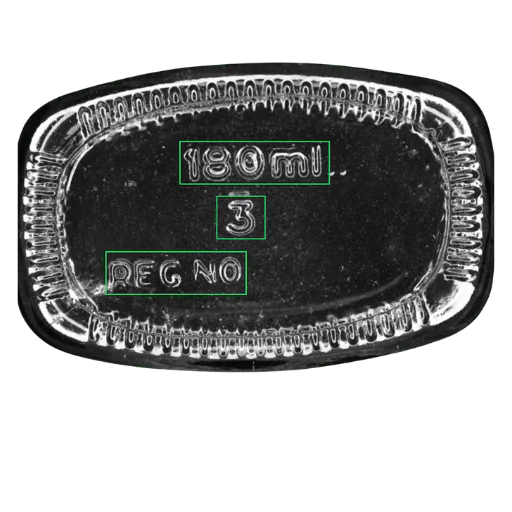
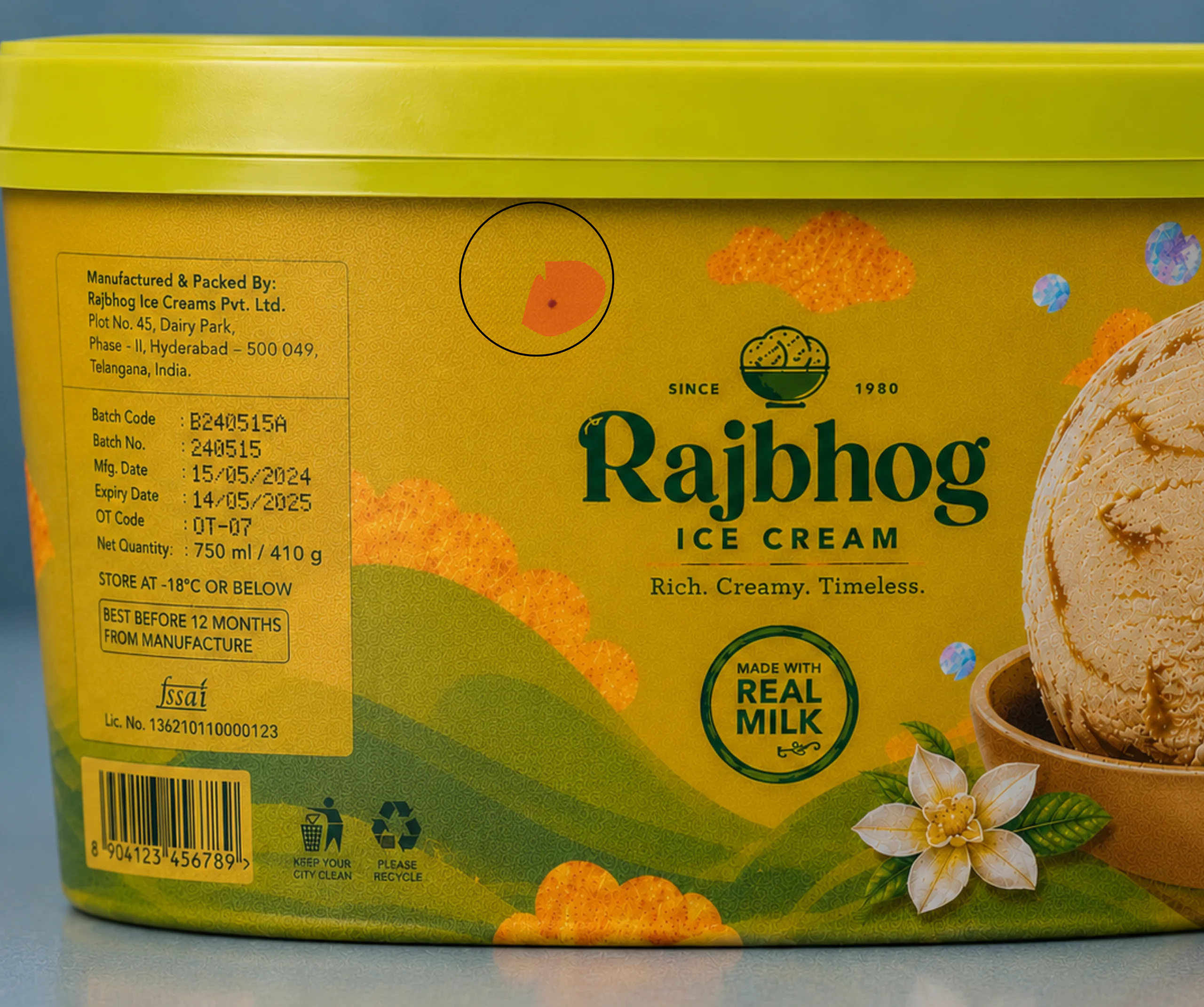
    Yes, and packaging is usually the highest-return inspection point in FMCG/CPG because a defective pack is a full unit loss regardless of how good the product inside is. DeepInspect checks seal integrity, foil tears and wrinkles, wrapper skew, label presence, alignment, and lift, cap and closure seating, shrink sleeve position, and empty or partly filled packs. OCV verifies printed content including batch codes, MRP, expiry dates, QR codes, and barcodes, across 50 or more characters and custom fonts. For regulated categories such as Dairy and packaged food, this is also the layer that carries statutory labelling obligations, so a print verification failure is a compliance exposure and not just a cosmetic one.

    Can DeepInspect inspect products at high production speeds?

    Yes. DeepInspect runs at 1,000 or more parts per minute, which covers the fastest FMCG/CPG formats including filling, capping, sachet and pouch forming, wrapping, and cartoning. Inference runs on the edge with no cloud dependency, so there is no network round trip between image capture and reject decision, and inspection continues even if connectivity drops. The system integrates with existing line controls over TCP/IP and Modbus and supports Siemens, Delta, Omron, and Mitsubishi IO, so rejects fire through your PLC and the inspection station does not become the constraint on your line.

    How many images are required to train a DeepInspect model?

    Fewer than 200 good images. This is the practical difference for FMCG/CPG, where product portfolios are wide, SKUs turn over constantly, and defect samples are scarce because most output is good. Conventional supervised approaches need thousands of labelled defect images per class, which means waiting for defects to occur before you can inspect for them. DeepInspect learns the acceptable condition instead, and training completes in roughly 45 minutes, so a new SKU, a pack redesign, or a promotional variant can be brought online inside a single shift.

    Can DeepInspect inspect multiple SKUs?

    Yes. A single DeepInspect system holds up to 30 trained models and switches between them in about 10 seconds. That matters in FMCG/CPG, where one line commonly runs several flavours, pack sizes, and private-label variants in a single week, and where changeover time is often a bigger throughput loss than the defects themselves. Adding a SKU means capturing under 200 good images and retraining, around 45 minutes, rather than reprogramming a rule set or buying a second system. Object counting handles 50 or more objects in a single frame with PLC integration, which covers trays, multipacks, and mixed assortment cartons.

    Can AI inspection replace manual quality inspection?

    For repetitive, high-speed, visually defined checks, yes, and in FMCG/CPG the case is stronger than in most sectors. Manual inspection on a line running 1,000 units a minute is statistically sampling, not inspecting, and operator accuracy degrades measurably across a shift. Sampling tells you what a fraction of your output looked like, which is the gap most recalls fall through. DeepInspect delivers 99.5 percent or better accuracy with a false positive rate under 0.5 percent, on 100 percent of production. What it does not replace is your quality function. Specification setting, root cause analysis, supplier and process correction, and audit response stay with your team. The change is that they work from defect data on every unit and every batch instead of a sample sheet, which turns quality from a pass or fail gate into a process signal.