AI based piston inspection system for automotive manufacturing
DeepInspect ®- AI inspection system for automotive components
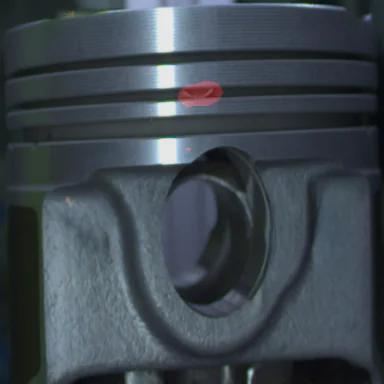
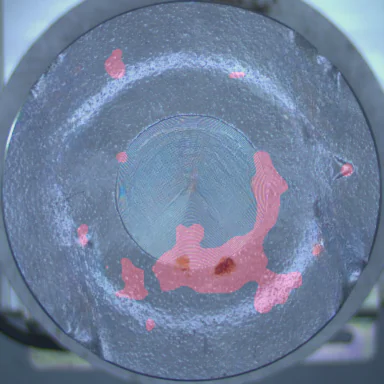
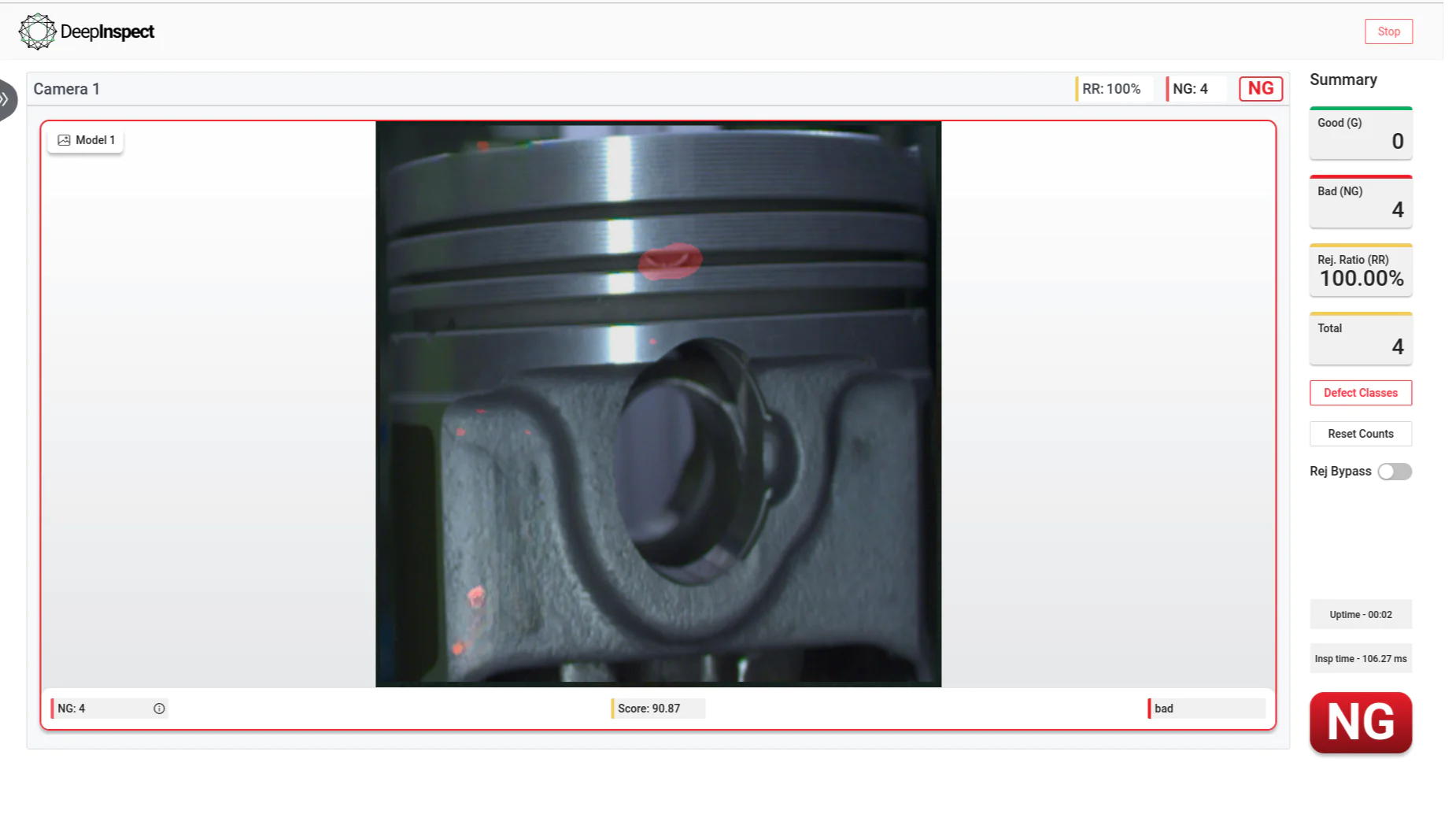
Piston visual quality inspection using DeepInspect® enables manufacturers to achieve consistent, high-speed, and near-zero-defect production. The system leverages deep learning to perform real-time defect detection, accurately identifying defects such as skirt scuffing, crown cracks, ring groove wear, pitting, clogged oil holes, etc. Integrated with industrial cameras, DeepInspect® captures surface and dimensional variations at ultra-high speeds, ensuring true 100% inspection coverage.
With minimal data requirements, model training needs fewer than 200 good images and can be completed in under 45 minutes, enabling rapid deployment on the shop floor. Delivering up to 99.5% detection accuracy with less than 0.5% false positives, DeepInspect® helps automotive and engine manufacturers reduce scrap, prevent field failures, and track cavity-wise performance to detect process drift in real time.
USECASE
Defects Detected by DeepInspect®
DeepInspect® detects all defects, such as
Surface Defects
With DeepInspect®, surface defects like scratches, porosity, etc., can be identified accurately
Structural Defects
Enables reliable inspection of structural defects such as cracks and dents with consistent precision
Coating & Finish Defects
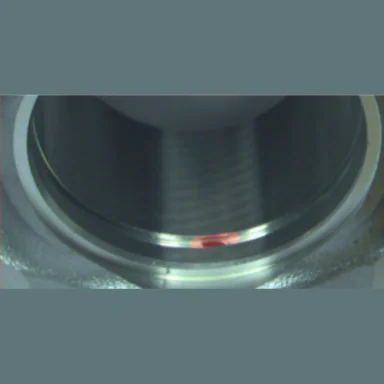
Facilitates effective inspection of defects, identifying issues such as peel-off, discoloration, etc.
OCR & Marking Defects
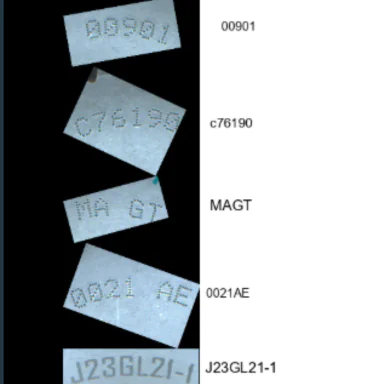
Verifies and recognizes alphanumeric and special characters, accurately reading markings across 50+ fonts
Best computer vision piston inspection software
Scratch
Crack
Discoloration
OCV/OCR
Smart inspection for engine components
Top piston inspection automation solution
Engine piston surface defect detection with 99.5% Accuracy
99.5% Inspection Accuracy: DeepInspect® delivers consistent, high-speed inspection accuracy of 99.5%, setting new benchmarks for reliability in automated quality control
Less Than 200 Good Images for Model Training: DeepInspect® requires fewer than 200 good images to learn, adapt, and begin accurate inspection with minimal setup effort
Model Training in Under 45 Minutes: DeepInspect® enables model creation and fine-tuning in under 45 minutes, reducing downtime and maximizing productivity
1000+PPM: High-speed inspection, detecting 1000+ parts per minute
Leading inline engine piston inspection system
Our Customers
Trusted by the world’s leading manufacturers to power zero-defect production
Interested in piston crack inspection using AI?
Book a free demo!
Inquiry Form
What is AI-powered visual inspection for pistons?
AI-powered visual inspection uses machine learning and computer vision algorithms to automatically detect surface defects, dimensional inconsistencies, and other anomalies in pistons. This ensures higher accuracy and faster quality control compared to manual inspection.
Which types of piston defects can AI inspection detect?
AI-based inspection can identify surface defects like scratches, cracks, burrs, dents, pits, and coating or finishing issues, ensuring defective components are caught before assembly.
How does AI visual inspection improve piston quality control?
By leveraging machine vision, AI inspection provides consistent, real-time detection of defects, reducing human error and increasing production throughput while maintaining high-quality standards.
Is AI-powered inspection suitable for all piston types?
Yes. AI inspection systems can be trained to inspect a variety of piston types, sizes, and materials, from standard automotive pistons to specialized industrial pistons.
What are the benefits of using automated inspection over manual inspection?
Automated AI inspection offers faster processing, higher accuracy, reduced labor costs, and traceable reports, allowing manufacturers to scale production without compromising quality.
How long does it take to train a model with DeepInspect®?
Model training is completed in less than 45 minutes, allowing rapid deployment of vision inspection
What benefits do manufacturers get from DeepInspect®?
Zero-defect sealing, reduced rejections, improved process control, real-time alerts, and superior packaging reliability.